
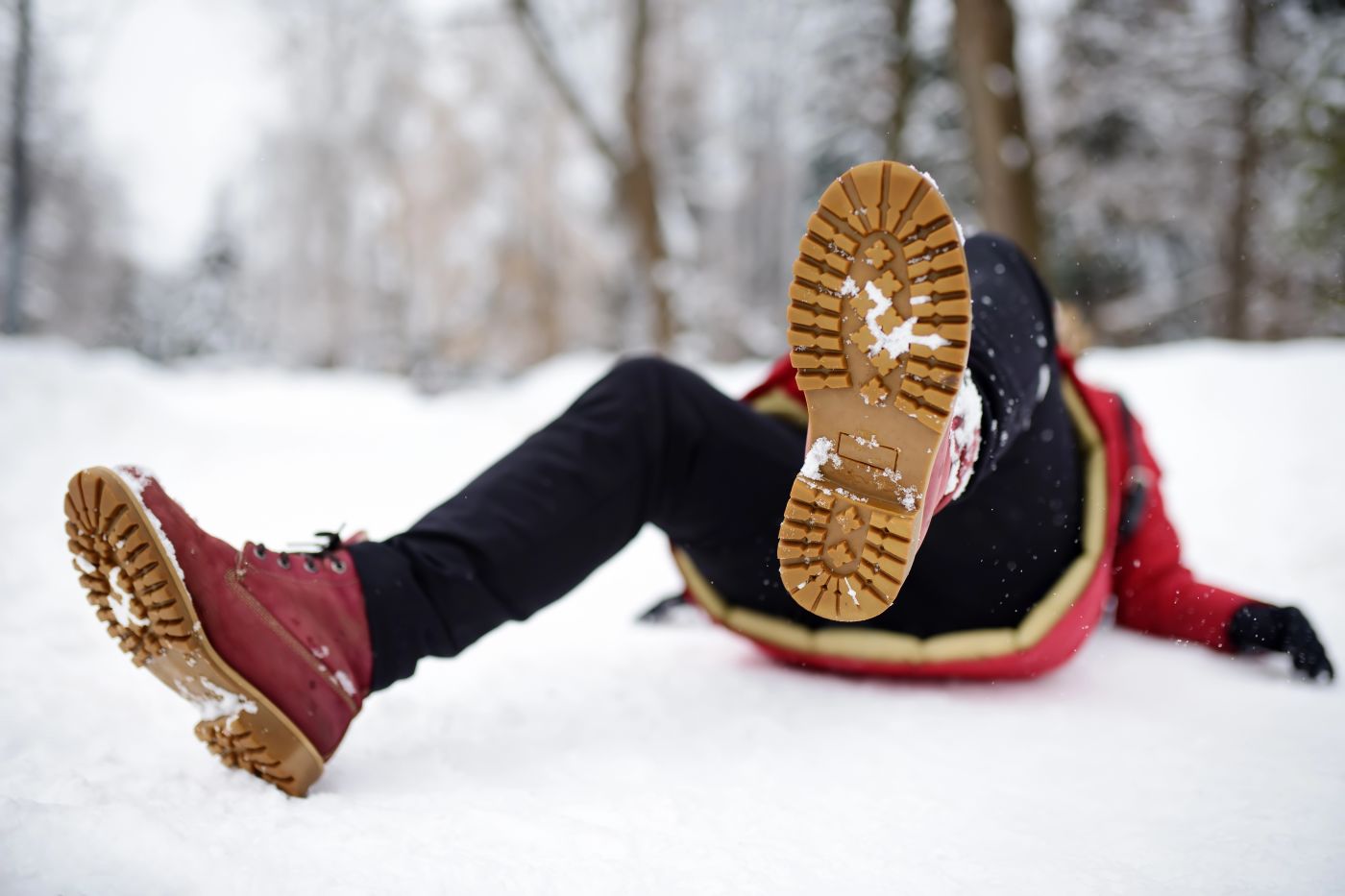
Who Is at Fault When I Slip and Fall on the Ice?
Fault in an icy slip-and-fall accident depends on where the fall happened, how long the icy condition existed, and whether the responsible party had a reasonable opportunity to address it.
In many cases, a property owner, business owner, or even a government entity may be liable for failing to remove ice or warn of a dangerous condition. In other situations, fault may be shared if the injured person failed to use reasonable care under the circumstances.
Under New York law, property owners have a duty to keep their premises reasonably safe during winter weather, including taking timely steps to clear snow and ice. When they fail to do so—and someone gets hurt—they can be held financially responsible for the resulting injuries. The sections below explain how New York’s premises liability rules apply, how fault is determined, and what your legal options may be after a slip and fall on ice.
At the Law Office of Steven R. Smith, I represent slip-and-fall accident victims throughout New York. Feel free to reach out to me if you'd like help pursuing compensation. You have limited time to file a claim, so contact me as soon as you're ready to discuss your case.
What Is Premises Liability?
Premises liability is the legal concept that holds property owners and occupiers responsible for injuries caused by unsafe conditions on their property. In New York, owners must take reasonable steps to maintain their property and address hazards that could foreseeably cause harm to visitors.
Winter-related premises liability claims commonly involve conditions such as:
Snow- or ice-covered sidewalks and walkways
Slippery parking lots or driveways
Untreated building entrances or stairs
Poor drainage that leads to refreezing
Inadequate lighting that makes ice hard to see
When a property owner fails to address these hazards—or fails to warn visitors about them—they may be held liable for resulting injuries.
Winter Weather Hazards and a Property Owner's Duty of Care
Property owners are not required to eliminate every possible risk, but they are expected to act reasonably in response to winter weather. This duty of care generally includes:
Monitoring weather conditions
Inspecting the property for hazards
Removing snow and ice within a reasonable time
Applying salt or other treatments when necessary
Warning visitors about dangerous conditions
What’s considered “reasonable” depends on the circumstances, including the severity of the storm, how long the condition existed, and whether the owner had notice of the hazard. Many owners hire snow removal companies, but outsourcing this work does not automatically shield them from liability.
At the same time, pedestrians are expected to exercise reasonable caution when walking in snowy or icy conditions. This balance of awareness, care, and responsibility often plays a key role in determining liability.
Determining Liability After a Slip and Fall on Ice
Depending on where and how the fall occurred, liability may rest with one or more parties:
Property owners or homeowners may be responsible for failing to remove ice or warn of known hazards.
Business owners can be liable for dangerous conditions on commercial premises, including parking lots and entrances.
Government entities may be responsible for falls on public sidewalks or municipal property, though special notice rules and deadlines apply.
The injured person may share some responsibility if they failed to use reasonable care under the circumstances.
Determining fault requires a careful review of the facts, including weather records, maintenance logs, photographs, and witness statements.
Comparative Negligence in New York Slip-and-Fall Cases
New York follows a pure comparative negligence rule. This means you can still recover compensation even if you were partially at fault for your fall. However, your total recovery will be reduced by your percentage of responsibility.
For example, if your damages total $40,000 and you are found 20% at fault, your recovery would be reduced by $8,000. You would still be entitled to recover $32,000. Even if you are mostly at fault, New York law does not bar recovery altogether.
How a Personal Injury Attorney Can Help
Slip-and-fall injuries can be painful, disruptive, and financially stressful—especially when insurance companies question liability or downplay your injuries. Proving negligence in an icy slip-and-fall case often requires prompt action and a thorough investigation.
At the Law Office of Steven R. Smith, I focus exclusively on personal injury cases and have decades of experience handling premises liability claims. I can evaluate the circumstances of your fall, identify responsible parties, gather supporting evidence, and negotiate with insurers on your behalf. My goal is to pursue fair compensation while avoiding unnecessary litigation whenever possible.
If you were injured in a slip-and-fall accident caused by snow or ice, contact my firm today to schedule a consultation. I proudly represent clients throughout New York and Long Island, including Hempstead, Westbury, Mineola, and New Hyde Park.